Granite Countertop Sealing in Little Rock: How Often to Seal Natural Stone
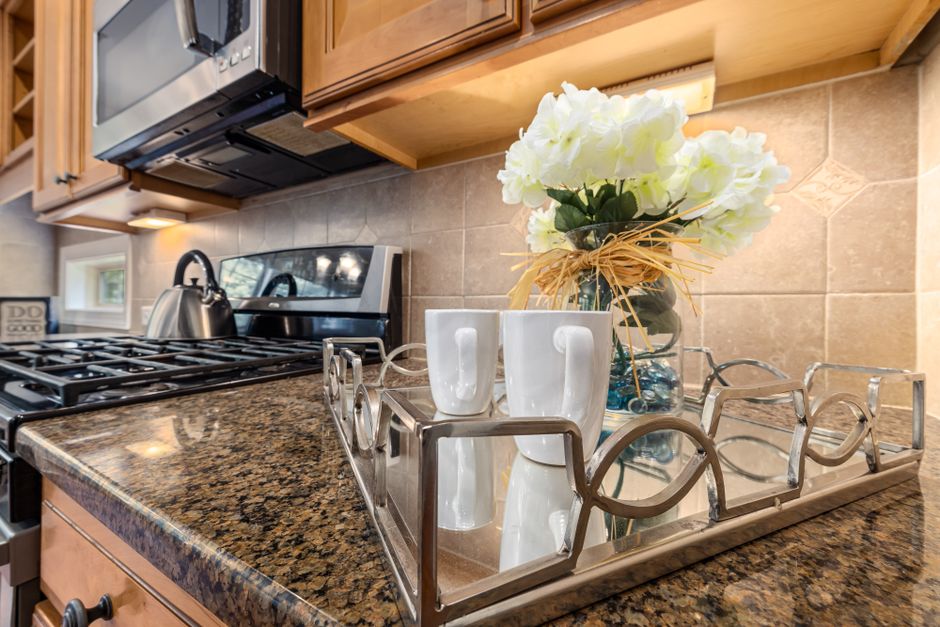
A granite countertop needs sealing when it tells you it does, not when the calendar says so. The reliable check takes five minutes and a glass of water, and it works on any natural stone countertop in a Little Rock kitchen, whether the stone was installed last month or decades ago.
The Water Drop Test Beats Any Schedule
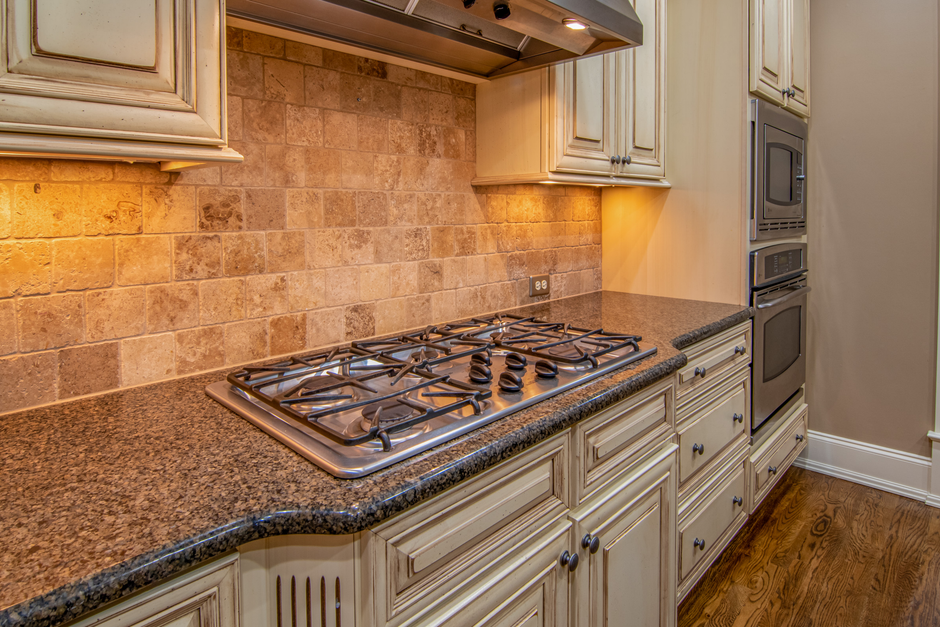
Put a few drops of water on the clean, dry stone and leave them for several minutes. Then look at what happened.
- If the stone darkens under the drops, it is absorbing water. That stone is a candidate for sealing.
- If the water beads up and the stone stays its normal color, the sealer is still working, or the stone is dense enough that it never needed one. Sealing can wait.
Blanket advice such as "seal every year" or "seal every six months" ignores how different stones behave. Some granites go years between applications. Some porous stones need attention much more often. The interval depends on the stone's porosity, the sealer used, and how hard the counter is worked.
Test the Busy Spots First
Sealer wears unevenly. The strip beside the sink, the area around the cooktop, and the patch where the coffee maker or cutting board lives lose protection fastest. Run the test in those places first. It is common for one zone to need resealing while the rest of the counter still beads water perfectly.
Build Your Own Interval
After you seal, write down the product and the date. Then repeat the water drop test every few months in the busiest spots. After a year or two of notes, you have a real interval for your specific counter instead of a guess.
Some Granite Should Not Be Sealed at All
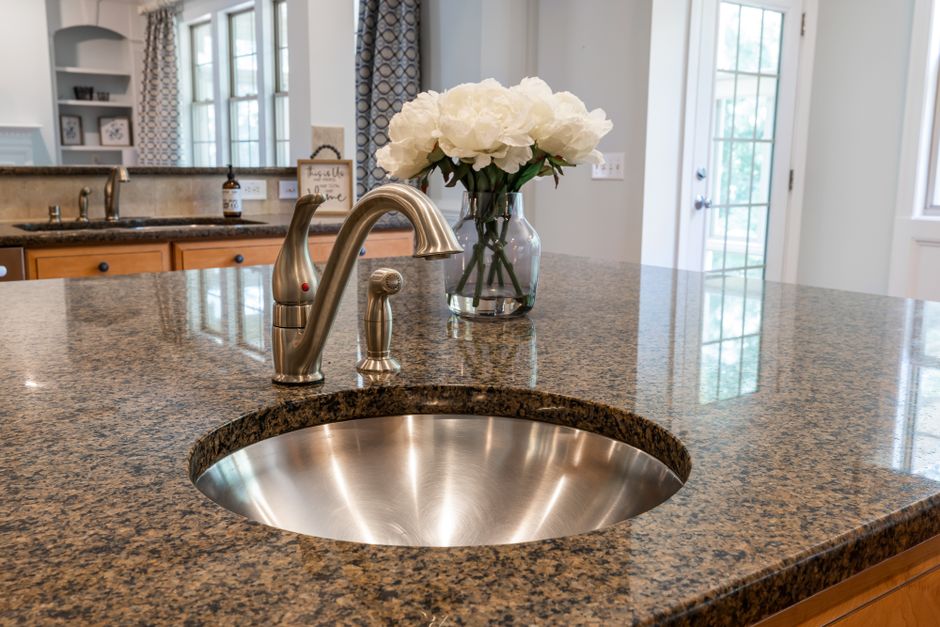
Many dense granites, especially many dark and black varieties, absorb almost nothing. Sealer cannot soak into a stone like that. It sits on the surface and dries into a streaky, hazy film that is annoying to remove.
If water never darkens your stone, leave the sealer on the shelf. Test first, every time, rather than assuming a counter is due.
What Sealer Does and Does Not Do
The products used on countertops are penetrating sealers, sometimes called impregnating sealers. They settle into the pores below the surface and slow the rate at which liquids soak in. They do not form a visible coating, they do not add shine, and they do not make the stone harder.
Two limits matter most:
- Sealing slows staining. It does not make stone stainproof. Oil, wine, coffee and dark sauces can still stain sealed stone if they sit long enough. Wipe spills promptly.
- Sealer does nothing against etching. Marble, limestone, travertine and onyx are largely calcite, which reacts with acids like lemon juice, vinegar, tomato, wine and soda. The result is a dull, rough spot. Etching is damage to the surface, not a stain, and only refinishing or polishing repairs it.
Marble, Limestone and Other Softer Stones
These stones are where homeowners most often confuse the two problems. A sealed marble counter still etches under a splash of lemon juice. Sealing helps with the oily ring from a bottle of olive oil, and nothing helps with the acid mark except a stone professional's polishing work.
Honed and leathered finishes also tend to absorb more than a polished finish of the same stone. If your counter has one of those textures, test more often and expect to seal more often.
Soapstone is the exception in the other direction. It is dense and non-absorbent, so it is generally not sealed. Many owners rub in mineral oil to deepen and even out the color as the stone darkens with use, but that is cosmetic rather than protective.
Know What You Actually Have
Trade names are loose. Stone sold as "granite" is often a different rock type, and some stone sold as "quartzite" turns out to be marble or dolomite, which etches. If you are unsure, a fabricator or stone restoration professional can confirm the material. That answer settles both how often you test for sealing and how careful you need to be with acids.
It also settles whether sealing applies at all. Engineered stone, such as the quartz lines from Cambria and others, and solid surface materials like Corian and Avonite are not sealed. Their stain resistance comes from the resin binder, and stone sealer on those surfaces can leave residue. Butcher block is a different material again and gets oil rather than stone sealer.
If You Inherited an Older Counter
Plenty of kitchens in older Little Rock neighborhoods such as Hillcrest and the Heights picked up granite during remodels years ago. If you bought the house and have no idea of the sealing history, do not assume the counter was never sealed, and do not assume it was sealed recently. The water drop test shows you its condition today, which is the only thing that matters.
Iced Tea Rings and Humid Summers
Little Rock summers mean sweating glasses on the counter. A dark ring under a glass of iced tea is usually just water darkening the stone, and it fades as the stone dries over several hours or a day.
A ring that stays dull and rough on marble after it dries is different. That is an etch from the drink, not a water stain. Coasters prevent both. Humidity by itself does not wear out sealer faster, so there is no reason to shorten your testing routine just because of the local climate.
How to Seal When the Test Says It Is Time
A good result comes from preparation more than from the sealer itself.
- Treat existing stains first. Sealing over a stain can lock it in. Oil-based stains usually respond to a poultice that draws the oil out of the stone, and organic stains like coffee or tea respond to a different poultice chemistry. Treat the stain, let the stone dry, then seal.
- Clean and dry the stone fully. After wet cleaning, give the counter time to dry out, ideally a day, so water in the pores does not block the sealer.
- Ventilate. Open windows and run the range hood, especially with solvent-based products. A mild spring or fall day in Little Rock is ideal because you can keep the windows open comfortably.
- Follow the label on dwell time. Wipe off every bit of excess within the window it specifies. Sealer left to dry on the surface is the most common cause of a sticky or cloudy counter after a do-it-yourself job.
- Do not stack coats out of habit. More coats are not always better protection. Excess sealer that cannot absorb causes haze and stickiness. If the label calls for a second application, it is usually applied while the first is still within its working window, not days later.
- Respect the cure time. Keep the counter dry and lightly used for the period the label states, and know that full protection takes longer still.
Daily Cleaning Decides How Long the Seal Lasts
Mild dish soap and warm water, or a cleaner made for stone, protects the sealer. Repeated use of vinegar, bleach, ammonia or harsh degreasers breaks sealer down over time, and vinegar will also etch calcite-based stones. No sealer is permanent under everyday kitchen use and cleaning, so gentle habits are part of the protection.
Check the Seams While You Are There
While you are inspecting the surface, look at the seams and the joint along the backsplash. Failed or gapped caulk or seam filler lets water reach the cabinet edges and the material underneath. Sealer will not fix that. Repair the joint separately.
When Water Still Darkens a Freshly Sealed Counter
If water spreads and darkens a broad area even after a fresh application, the stone may be unusually porous, or the sealer may not suit that stone. Try a test application on a scrap piece or a hidden spot, or have a stone professional evaluate it. That is a better path than adding more product to a counter that is not accepting it.